

Beyond the Chalkboard: How Clean Classrooms Impact Student Attendance in Savannah Schools
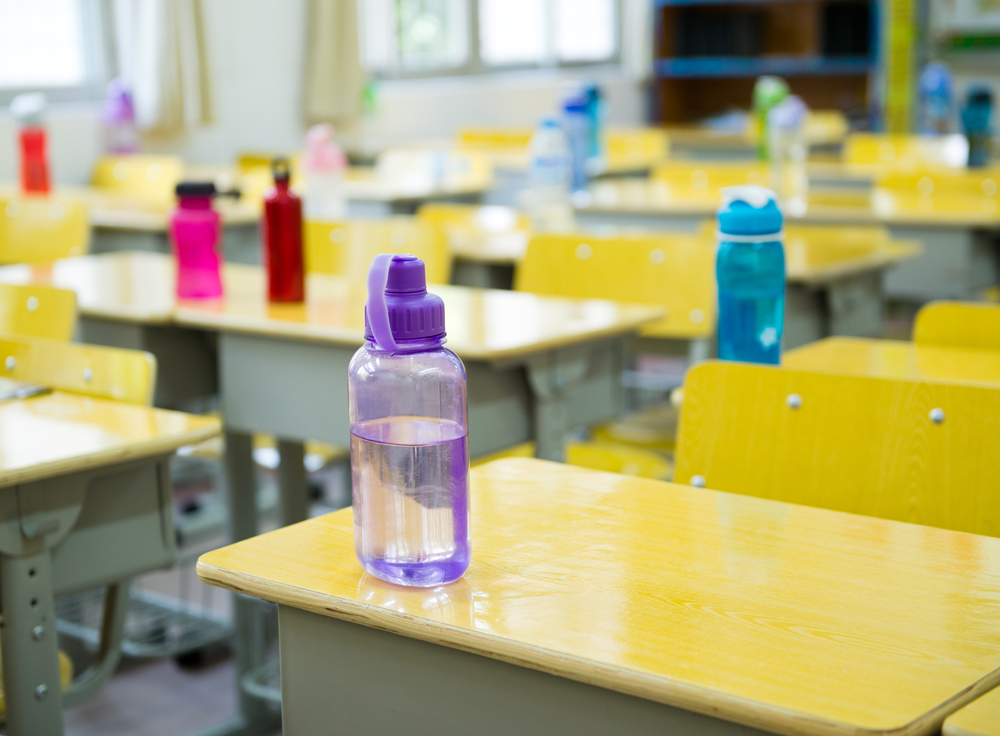
A clean classroom does more than create a pleasant learning environment. It helps reduce the spread of germs, supports healthier indoor air, and creates a space where students and teachers can focus on learning instead of illness. For families and educators across the Savannah area, maintaining clean educational spaces is one piece of supporting consistent school attendance.
Quick Answer
Clean classrooms contribute to better student attendance by reducing the buildup of germs, allergens, dust, and other contaminants that can affect health and comfort. While cleaning alone cannot prevent every illness, consistent cleaning and disinfection practices help create healthier learning environments that encourage regular attendance and improve the daily experience for students, teachers, and staff.
What Local Readers Should Know
- Regular cleaning helps reduce the accumulation of bacteria, viruses, dust, and allergens on high-touch classroom surfaces.
- Schools throughout Chatham County experience periods of increased seasonal illnesses, making consistent cleaning especially valuable during peak illness seasons.
- Coastal Georgia’s humidity can contribute to moisture-related issues that require proactive cleaning and maintenance.
- Clean learning environments also improve the appearance of classrooms, helping students feel more comfortable and ready to learn.
- High-touch areas such as desks, door handles, cafeteria tables, and shared learning materials deserve extra attention throughout the school year.
Why This Matters Locally
Healthy classrooms matter throughout the Savannah region because local schools welcome hundreds of students through their doors every day. Shared desks, hallways, cafeterias, libraries, and gymnasiums create countless opportunities for germs to spread if routine cleaning is inconsistent.
The warm, humid climate along Georgia’s coast also creates unique cleaning challenges. Higher humidity levels can contribute to lingering moisture, increased dust accumulation, and conditions where mold may develop if facilities are not properly maintained.
Savannah Service Cleaning LLC understands how important clean educational environments are for schools, childcare centers, and educational facilities throughout the region. We believe every student deserves a clean, welcoming place to learn each day.
Local Data and Professional Observations
Public health organizations such as the Centers for Disease Control and Prevention continue to recommend routine cleaning of high-touch surfaces as part of maintaining healthier indoor environments. Schools that follow consistent cleaning schedules help reduce the spread of common illnesses while creating cleaner learning spaces.
From our professional experience serving facilities throughout Coastal Georgia, classrooms with structured cleaning routines often remain more presentable throughout the school week. Regular attention to floors, desks, restrooms, cafeterias, and common areas helps prevent dirt and contaminants from accumulating over time.
How Classroom Cleanliness Affects Student Attendance
Clean classrooms support better attendance by helping reduce exposure to common germs while improving overall comfort inside learning spaces.
Several factors contribute to this relationship.
Reduced Germ Transmission
Students frequently share supplies, desks, technology, and classroom equipment. Routine cleaning of these surfaces helps remove contaminants that may contribute to illness.
Better Indoor Air Quality
Dust, pollen, and other airborne particles can accumulate inside educational facilities. Regular dust removal and floor cleaning help improve indoor air quality for students and staff.
Improved Student Comfort
Students are more likely to feel comfortable in classrooms that are clean, organized, and free from unpleasant odors.
Increased Staff Confidence
Teachers can spend more time focusing on instruction when classrooms are maintained consistently instead of worrying about sanitation concerns.
Warning Signs a School May Need More Frequent Cleaning
Educational facilities should consider reviewing their cleaning schedule if they notice:
- Frequently dirty desks at the start of the school day.
- Dust collecting on classroom furniture and shelving.
- Lingering restroom odors.
- Trash overflowing before scheduled pickups.
- Smudges on classroom windows and glass doors.
- Sticky cafeteria tables after meal periods.
- Increased complaints about indoor air quality.
- High-touch surfaces that appear visibly soiled.
When to Call a Professional Cleaning Company
Professional cleaning becomes especially valuable when routine custodial work is no longer keeping up with the demands of busy educational facilities.
Schools should consider professional services when:
- Seasonal illnesses increase throughout the community.
- Deep cleaning is needed during school breaks.
- Summer preparation is underway before students return.
- Floors require stripping, waxing, or restorative cleaning.
- Special events create additional cleaning needs.
- Construction or renovation projects leave dust throughout the building.
- Custodial teams need supplemental support.
Common Local Causes of Classroom Cleaning Challenges
Several local factors influence cleaning needs throughout the Savannah area.
Coastal Humidity
Higher humidity levels can contribute to moisture buildup that requires consistent monitoring and cleaning.
Heavy Student Traffic
Schools serving growing communities experience significant daily foot traffic that brings dirt and debris into classrooms.
Seasonal Allergens
Spring pollen throughout Coastal Georgia can quickly accumulate inside buildings, affecting indoor cleanliness.
Rainy Weather
Wet shoes track moisture and dirt into hallways and classrooms during rainy periods.
Shared Learning Spaces
Libraries, cafeterias, gyms, and media centers experience continuous use throughout the school day.
Prevention and Maintenance Tips
Educational facilities can maintain healthier classrooms through consistent preventive cleaning practices.
- Clean high-touch surfaces daily.
- Vacuum carpets using equipment with quality filtration.
- Mop hard floors on a regular schedule.
- Empty trash before bins overflow.
- Deep clean classrooms during holiday and summer breaks.
- Sanitize shared equipment regularly.
- Address moisture concerns promptly.
- Encourage proper hand hygiene throughout the school.
Expected Results from Professional Classroom Cleaning
Schools that invest in routine professional cleaning can expect cleaner facilities that are easier to maintain throughout the academic year.
Professional cleaning also helps:
- Improve the appearance of classrooms.
- Support healthier indoor environments.
- Extend the life of flooring and furniture.
- Reduce odors.
- Create a more welcoming environment for students, teachers, parents, and visitors.
Common Mistakes Schools Make
Waiting until problems become visible
Consequence: Dirt and germs continue accumulating between deep cleanings.
Better approach: Maintain a consistent cleaning schedule year-round.
Focusing only on visible surfaces
Consequence: Frequently touched areas may be overlooked.
Better approach: Include desks, light switches, door handles, keyboards, and shared equipment.
Skipping summer deep cleaning
Consequence: Dust and buildup remain before students return.
Better approach: Schedule comprehensive cleaning during school breaks.
Common Local Scenario
A school preparing for the new academic year in the Richmond Hill and Savannah area schedules a complete summer deep cleaning before teachers return. Floors are thoroughly cleaned, classrooms are disinfected, restrooms receive detailed attention, and common areas are refreshed before students arrive. Starting the school year with a clean environment helps create a positive first impression while making ongoing maintenance easier throughout the semester.
Related Service Solutions
Educational facilities often benefit from a combination of cleaning services, including:
- Classroom cleaning
- Restroom sanitation
- Floor care
- Carpet cleaning
- Window cleaning
- High-touch surface disinfection
- Common area cleaning
- Janitorial services for educational facilities
Comparing Your Options
| Option | Advantages | Considerations |
|---|---|---|
| In-house custodial staff only | Daily familiarity with the facility | May have limited time for deep cleaning |
| Professional supplemental cleaning | Provides specialized equipment and additional support | Best used alongside routine maintenance |
| Scheduled preventive cleaning | Helps maintain consistent cleanliness | Requires ongoing planning |
| Reactive cleaning | Addresses immediate concerns | May allow buildup before service occurs |
Service Areas
We proudly serve Richmond Hill, Savannah, Pooler, Georgetown, Garden City, Wilmington Island, Chatham County, Bryan County, and surrounding Coastal Georgia communities. Our cleaning services are tailored to the needs of schools, commercial facilities, and organizations throughout the region.
The Cost of Ignoring Classroom Cleanliness
Delaying routine cleaning can allow dirt, allergens, and germs to build up over time. That may create less comfortable learning environments, increase maintenance costs, shorten the lifespan of flooring and furnishings, and require more extensive cleaning later.
Frequently Asked Questions
Does classroom cleanliness really affect student attendance in the Savannah area?
Yes. Clean classrooms help reduce exposure to germs and improve overall indoor comfort. While many factors influence attendance, consistent cleaning supports healthier learning environments for students and staff throughout the Savannah region.
How often should schools in Chatham County schedule professional cleaning?
The best schedule depends on building size, occupancy, and daily use. Many educational facilities benefit from routine janitorial service along with deeper cleaning during school breaks and seasonal transitions.
Why is humidity a concern for schools near Richmond Hill?
Coastal humidity can contribute to moisture buildup, odors, and conditions that require more frequent cleaning. Consistent maintenance helps classrooms remain clean and comfortable throughout the year.
Which classroom surfaces require the most attention?
High-touch surfaces such as desks, door handles, shared computers, cafeteria tables, restroom fixtures, and light switches should receive frequent cleaning and sanitation.
Can professional cleaning improve indoor air quality?
Professional cleaning helps remove dust, dirt, and allergens from floors and surfaces, supporting healthier indoor environments alongside proper HVAC maintenance.
When is the best time for schools to schedule deep cleaning?
Summer vacation, winter break, spring break, and extended holidays provide excellent opportunities for comprehensive cleaning with minimal disruption to students and staff.
Do educational facilities in Bryan County benefit from customized cleaning plans?
Yes. Every school has different schedules, occupancy levels, and facility layouts. Customized cleaning programs allow services to match each building’s specific needs.
What types of schools can benefit from professional cleaning?
Public schools, private schools, charter schools, daycare centers, preschools, tutoring centers, colleges, and training facilities can all benefit from consistent professional cleaning services.
Closing
Clean classrooms help create healthier, more welcoming learning environments for students, educators, and families throughout the Savannah area. Consistent cleaning supports educational spaces that are ready for learning every day while helping facilities stay well maintained throughout the school year.
Create a Healthier Learning Environment
A cleaner school starts with a thoughtful, consistent cleaning plan tailored to your facility’s needs.