

The Savannah Humidity Survival Guide: How Local Businesses Fight Mold, Mildew, and Office Mustiness
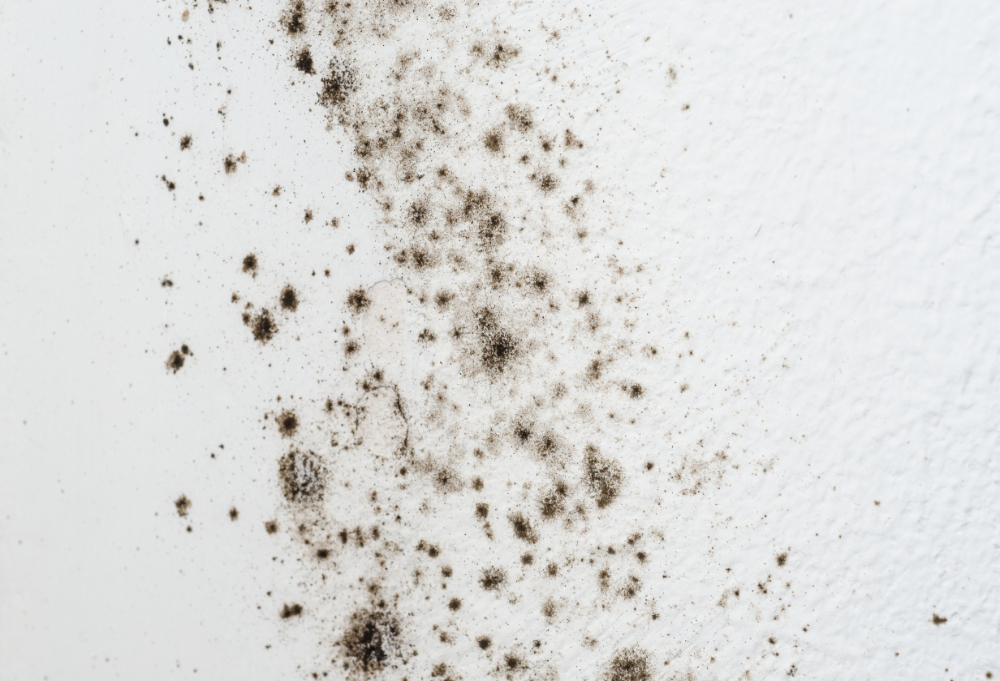
Anyone who has spent a summer along Georgia’s coast knows that humidity is more than just uncomfortable. It can creep into office buildings, retail stores, medical offices, restaurants, and warehouses, creating lingering odors, mildew, and conditions that make workplaces feel less inviting. In a city where warm temperatures and coastal moisture are part of daily life for much of the year, businesses need practical strategies to stay ahead of indoor moisture problems.
Quick Answer
Savannah’s high humidity creates ideal conditions for mold, mildew, musty odors, and excess indoor moisture in commercial buildings. Preventing these issues requires consistent cleaning, moisture control, proper ventilation, and routine inspections before small problems become larger indoor air quality concerns.
What Local Readers Should Know
- Coastal humidity can allow mold and mildew to develop even in buildings without obvious water leaks.
- Businesses near the Savannah River, Historic District, Midtown, and Southside often deal with prolonged periods of elevated moisture levels.
- Air conditioning helps remove humidity, but dirty vents, neglected surfaces, and poor airflow can still allow musty odors to develop.
- Routine professional cleaning helps remove organic material that mold and mildew use as a food source.
- Early attention to moisture issues is usually less disruptive than dealing with widespread mold contamination later.
Why This Matters Locally
High humidity is simply part of life in Savannah. Combined with frequent summer rain, afternoon thunderstorms, and warm temperatures, indoor spaces often stay damp longer than many property owners realize. Older commercial buildings throughout the Historic District may have limited ventilation compared to newer office spaces, while warehouses near the Port of Savannah often experience large temperature swings that contribute to condensation.
Businesses throughout Chatham County also deal with customers and employees moving constantly between hot outdoor air and cool indoor environments. Every time exterior doors open, humid air enters the building. Without proper maintenance and cleaning, moisture can accumulate on surfaces that rarely receive attention.
Savannah Service Cleaning LLC understands these local conditions because we work with businesses that experience them every day. Our goal is to help create cleaner, fresher workplaces that support employees, customers, and long-term property care.
Local Data and Professional Field Observations
The National Weather Service regularly reports high relative humidity across coastal southeast Georgia, particularly from late spring through early fall. Those weather patterns create conditions where moisture remains trapped inside commercial buildings if ventilation, cleaning, and humidity control are not managed effectively.
From our professional field observations, musty odors are often strongest in:
- Carpeted offices
- Storage rooms
- Employee break rooms
- Restrooms
- Supply closets
- Buildings with older HVAC systems
- Areas with limited natural airflow
Many of these spaces appear clean on the surface while hidden moisture allows mildew and odors to develop over time.
Local Impact
Humidity affects more than comfort.
Persistent moisture can leave offices smelling stale, reduce employee comfort, create unpleasant first impressions for customers, and contribute to stains on ceilings or walls if leaks go unnoticed.
Retail businesses depend on welcoming environments. Medical offices benefit from clean-smelling waiting rooms. Professional offices want conference rooms that feel fresh rather than damp. Even industrial facilities benefit from cleaner break rooms and administrative areas.
Keeping moisture under control helps preserve flooring, furnishings, wall finishes, and indoor air quality.
Warning Signs
Several early warning signs suggest humidity may be creating indoor problems:
- Persistent musty odors that return shortly after cleaning
- Dark spotting around vents or ceiling tiles
- Mildew developing on restroom grout or caulking
- Condensation on windows or glass doors
- Damp carpet near exterior walls
- Employees commenting on stale indoor air
- Visible discoloration near HVAC vents
- Storage rooms that consistently smell damp
Addressing these warning signs early often prevents larger cleaning or restoration needs.
When to Call a Professional
Professional cleaning becomes worthwhile when humidity-related problems continue despite routine housekeeping.
Business owners can monitor visible moisture, replace HVAC filters according to manufacturer recommendations, and report plumbing leaks promptly. However, recurring mildew, lingering odors, widespread dust buildup, or surfaces that never seem fully clean usually benefit from professional commercial cleaning.
If mold growth appears extensive or follows significant water damage, specialized mold remediation may also be appropriate.
Common Local Causes
Savannah’s humidity problems usually develop from several overlapping factors.
1. Coastal Humidity
Warm, moisture-rich air remains common for much of the year.
2. Frequent Rainfall
Heavy rain increases overall moisture levels around commercial properties.
3. Air Conditioning Cycles
Buildings that cycle HVAC systems off overnight may allow humidity to rise before employees arrive.
4. Limited Airflow
Storage rooms, interior offices, and utility spaces often receive less ventilation.
5. Older Building Construction
Historic commercial buildings may have unique ventilation challenges compared to newer developments around Pooler or Georgetown.
6. Water Intrusion
Small roof leaks, plumbing leaks, or window seal failures can quietly support mold growth over time.
Prevention and Maintenance
The best defense against humidity-related problems combines cleaning with moisture management.
Businesses should:
- Schedule routine professional cleaning.
- Keep HVAC systems maintained.
- Repair leaks promptly.
- Improve airflow in enclosed spaces.
- Monitor restrooms and kitchens for excess moisture.
- Clean high-touch surfaces regularly.
- Remove accumulated dust from overlooked areas.
- Inspect carpets after heavy rain events.
Seasonal inspections before peak summer humidity can help identify developing issues before they affect employees or customers.
Expected Results
Professional commercial cleaning cannot eliminate Georgia’s humidity, but it can significantly improve how indoor spaces respond to it.
Businesses often notice:
- Fresher indoor odors
- Cleaner shared workspaces
- Reduced dust accumulation
- Better overall workplace appearance
- Improved customer impressions
- More comfortable employee environments
Ongoing maintenance typically produces more consistent results than occasional deep cleaning alone.
Common Mistakes
Mistake: Masking musty odors with air fresheners.
Consequence: The underlying moisture problem continues to grow.
Better Approach: Identify moisture sources while improving cleaning and ventilation.
Mistake: Waiting until mold becomes visible.
Consequence: Cleaning may become more extensive and disruptive.
Better Approach: Address odors and moisture as early warning signs.
Mistake: Ignoring storage areas.
Consequence: Hidden mildew can spread unnoticed.
Better Approach: Include low-traffic spaces in regular cleaning schedules.
Common Local Scenario
A professional office near downtown notices a lingering musty smell each Monday morning during the summer. The HVAC system performs normally, but humidity builds over weekends while the building sits mostly unoccupied. Dust, moisture, and limited airflow combine to create stale indoor conditions.
Routine professional cleaning, improved ventilation practices, and regular inspections help keep the workspace fresher throughout the season.
Related Service Solutions
Humidity-related concerns often improve with services such as:
- Commercial office cleaning
- Restroom sanitation
- Floor cleaning
- Carpet cleaning
- High-touch surface disinfection
- Break room cleaning
- Scheduled maintenance cleaning
- Deep cleaning services
Comparing Your Options
| Option | Benefits | Limitations |
|---|---|---|
| DIY cleaning | Helps maintain daily appearance | May overlook hidden moisture buildup |
| Occasional deep cleaning | Addresses accumulated dirt periodically | Problems may return between visits |
| Routine professional cleaning | Provides consistent maintenance and monitoring | Requires scheduled service |
| Moisture control plus professional cleaning | Supports cleaner, fresher indoor environments | Works best as an ongoing strategy |
Service Areas
We proudly serve businesses throughout Savannah as well as nearby communities including Pooler, Garden City, Richmond Hill, Tybee Island, and other areas across Chatham County. Our services are designed for local businesses facing the unique challenges of Georgia’s coastal climate.
Cost of Ignoring the Issue
Ignoring indoor humidity can lead to recurring odors, damaged finishes, employee complaints, reduced customer comfort, and more extensive cleaning needs over time.
Addressing moisture early is often less disruptive than responding after mold, mildew, or persistent odors become established.
Frequently Asked Questions
Why is humidity such a challenge for businesses in Savannah?
Yes. Savannah’s coastal climate brings extended periods of high humidity that can allow moisture to linger indoors. Without regular cleaning and moisture management, mildew, musty odors, and indoor air quality concerns become more likely.
Can mold grow even if there are no obvious leaks?
Yes. Mold can develop whenever moisture, warmth, and organic material are present. High humidity alone may create favorable conditions on certain surfaces, particularly in areas with poor airflow.
Which commercial buildings in Chatham County are most vulnerable?
Older offices, retail spaces, warehouses, and buildings with limited ventilation often experience greater humidity challenges. However, newer facilities can also develop moisture issues if maintenance is inconsistent.
Will professional cleaning remove musty odors?
Professional cleaning can remove dirt, dust, and organic debris that contribute to unpleasant odors. If hidden moisture or mold is the underlying cause, those issues should also be addressed for lasting improvement.
How often should businesses schedule commercial cleaning in Savannah?
The ideal schedule depends on occupancy, building use, and seasonal conditions. Many businesses benefit from recurring service that maintains cleanliness throughout the humid months.
Does carpet contribute to office mustiness?
Yes. Carpet can retain moisture, dust, and organic particles if humidity remains elevated. Routine cleaning helps reduce buildup and supports fresher indoor conditions.
Are coastal businesses affected differently than inland properties?
Businesses closer to the coast often experience longer periods of elevated humidity due to marine air. That can increase the importance of ventilation, cleaning, and moisture management.
What is the first sign that humidity is becoming a problem?
Persistent musty odors are often one of the earliest indicators. Condensation, mildew around grout, and damp storage areas are also common warning signs.
Keep Your Workplace Fresh Through Every Savannah Season
Georgia’s coastal climate presents challenges, but consistent cleaning and moisture management can help businesses maintain healthier, more welcoming environments throughout the year.
Ready for a Cleaner, Fresher Workplace?
We’re here to help your business stay ahead of humidity, mildew, and office mustiness with dependable commercial cleaning services tailored to local conditions.