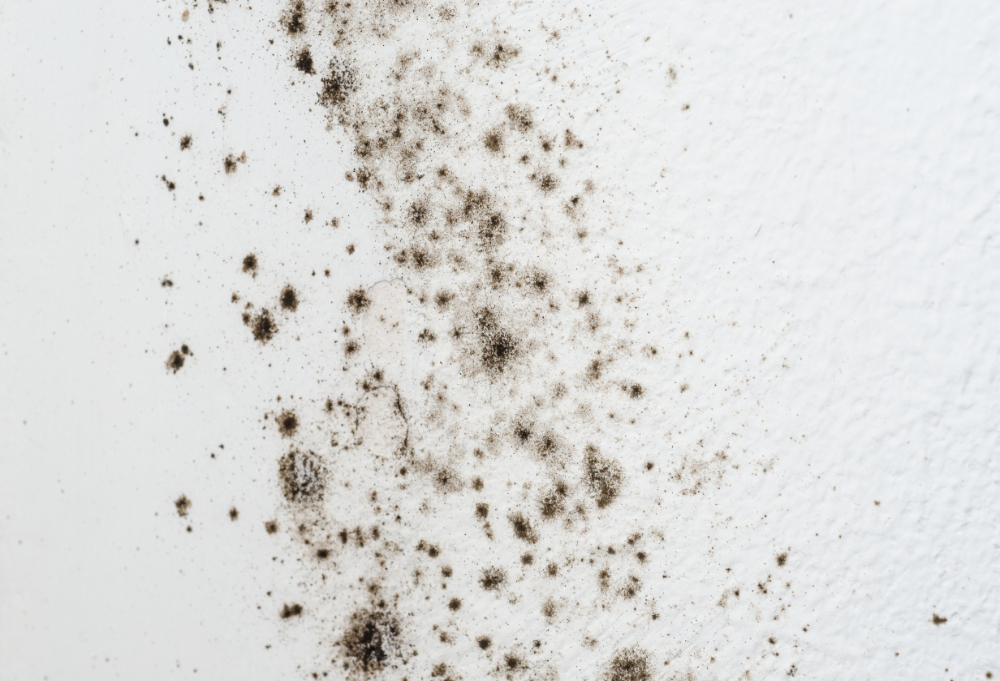
Savannah’s heat and moisture are part of life on the Georgia coast, but they can create difficult conditions inside commercial buildings. Offices, retail spaces, restaurants, warehouses, and other facilities may struggle with persistent humidity, musty odors, condensation, and indoor environments that feel damp even when the air conditioning is running.
The challenge is not simply keeping a building cool. Commercial facilities need to control moisture, maintain clean surfaces, address water intrusion quickly, and keep building systems working together to support healthier indoor conditions.
Quick answer: Commercial facilities in Savannah can reduce mold and indoor air quality problems by controlling indoor humidity, correcting leaks and condensation, maintaining HVAC and drainage systems, cleaning moisture-prone surfaces, and responding quickly when damp materials or visible growth appear. Because coastal Georgia regularly experiences warm, humid conditions, prevention should be an ongoing facility-management priority rather than a one-time cleanup.
What local facility managers should know
-
High outdoor humidity can make moisture control an ongoing challenge for commercial buildings throughout Savannah.
-
Buildings near the Savannah River, downtown, and other parts of coastal Chatham County operate in a climate where warm, moisture-heavy air is common.
-
Musty odors, recurring condensation, water stains, and visible growth deserve investigation rather than simply being covered or deodorized.
-
Cleaning can be part of an indoor air quality strategy, but persistent moisture sources must also be identified and corrected.
-
After storms or plumbing problems, quick attention to wet materials can help limit a small maintenance issue from becoming a larger facility problem.
Why Does Savannah Humidity Create Problems for Commercial Facilities?
Savannah humidity creates problems for commercial facilities because moisture-rich outdoor air can enter buildings and contribute to damp surfaces, condensation, and conditions that support microbial growth when moisture is not properly controlled. The risk can become more noticeable in heavily occupied buildings, spaces with frequent door traffic, and facilities with existing leaks or HVAC problems.
This is particularly relevant across the Historic District, Midtown, Southside, and commercial areas extending through Chatham County. Employees and customers may move between hot, humid outdoor conditions and cooled indoor spaces throughout the day, while doors, loading areas, and other openings repeatedly expose the building to outside air.
Older buildings can present additional moisture-management challenges because roofs, windows, plumbing, insulation, and ventilation systems may have changed considerably over the life of the property.
Savannah Service Cleaning LLC understands that commercial cleaning in this environment has to account for local moisture conditions. We approach facility cleanliness as part of the broader effort to keep commercial spaces maintained, presentable, and responsive to moisture-related concerns.
What Do Local Climate Conditions Tell Facility Managers?
Local climate conditions tell Savannah facility managers that humidity and moisture should be treated as recurring operational concerns rather than unusual events. The region’s long warm season, coastal location, heavy rain events, and humid outdoor air can repeatedly test roofs, drainage, HVAC systems, exterior openings, and moisture-sensitive interior materials.
Facility managers can use public weather information from the National Weather Service when planning around periods of heavy rainfall, storms, and unusually humid conditions. The important operational lesson is straightforward: a building that stayed dry last month still needs routine monitoring this month.
This matters from downtown properties near the Savannah River to commercial buildings toward Pooler and other parts of the metro area. Local conditions can change quickly, especially when thunderstorms or tropical weather bring substantial rainfall.
How Can Excess Moisture Affect a Commercial Building?
Excess moisture can affect a commercial building by contributing to odors, surface deterioration, staining, microbial growth, uncomfortable indoor conditions, and additional maintenance demands. If moisture continues unnoticed, the impact can extend beyond appearance and create recurring problems that disrupt normal facility operations.
A musty conference room can affect how clients perceive an office. Damp carpeting can take rooms out of service. Ceiling staining can indicate a problem above the visible surface. Persistent condensation can point to a humidity, insulation, or mechanical issue that cleaning alone will not resolve.
For restaurants, retail spaces, medical offices, hospitality properties, and other customer-facing facilities, indoor conditions also influence the overall impression visitors receive.
What Are the Warning Signs of a Moisture or Indoor Air Quality Problem?
Warning signs of a moisture or indoor air quality problem include recurring musty odors, visible growth, condensation, water staining, damp materials, and areas that repeatedly feel humid. One isolated sign does not always identify the cause, but repeated symptoms justify closer investigation.
Watch for:
-
Musty or earthy odors that return after routine cleaning.
-
Condensation on windows, pipes, vents, or other cool surfaces.
-
Discoloration or visible growth on walls, ceilings, flooring, or furnishings.
-
Water stains on ceiling tiles or drywall.
-
Carpet or other materials that remain damp.
-
Peeling paint, bubbling finishes, or deteriorating wall materials.
-
Recurring dampness around restrooms, kitchens, utility areas, or exterior entrances.
-
Odors or moisture complaints that consistently originate from the same room or zone.
The pattern matters. A recurring problem usually deserves more attention than simply cleaning the visible symptom again.
When Should a Commercial Facility Call a Professional?
A commercial facility should call an appropriate professional when moisture, odors, visible growth, or water damage is recurring, widespread, difficult to identify, or beyond what routine facility cleaning can safely address. The right professional may include a commercial cleaning provider, HVAC contractor, plumber, roofer, water-damage specialist, or qualified mold professional depending on the source.
Facility staff can routinely check for condensation, visible leaks, stained ceiling tiles, damp entry areas, and unusual odors. They can also document where and when problems occur.
DIY troubleshooting should stop when the underlying moisture source is unknown, contaminated materials may be involved, significant water intrusion has occurred, or specialized assessment or remediation may be necessary.
What Commonly Causes Moisture Problems in Savannah Commercial Buildings?
Common moisture problems in Savannah commercial buildings can come from humid outdoor air, HVAC and condensation issues, plumbing leaks, roof or envelope leaks, stormwater intrusion, and slow-drying materials. Several causes can occur at once, which is why finding the source is more important than repeatedly treating the visible symptom.
-
Humid outdoor air: Frequently opened entrances, loading docks, and poorly sealed openings can introduce warm, moisture-heavy air.
-
HVAC or condensation problems: Cool surfaces interacting with humid air can produce condensation, particularly around ducts, vents, pipes, and mechanical spaces.
-
Roof and building-envelope leaks: Heavy rain can expose vulnerabilities around roofing, windows, doors, flashing, and exterior penetrations.
-
Plumbing problems: Slow leaks beneath sinks, behind walls, or around restrooms can remain unnoticed until odors or visible damage appear.
-
Storm-related water intrusion: Coastal Georgia storms can overwhelm drainage or reveal building-envelope weaknesses.
-
Wet materials that dry slowly: Carpet, ceiling materials, furnishings, and other porous surfaces can retain moisture after leaks, spills, or water intrusion.
How Can Savannah Businesses Prevent Mold-Friendly Conditions?
Savannah businesses can help prevent mold-friendly conditions by keeping the building dry, monitoring moisture-prone areas, maintaining mechanical systems, cleaning consistently, and addressing water intrusion promptly. Prevention works best when facility teams combine everyday observation with scheduled professional maintenance.
During the warm, humid season, pay extra attention to exterior entrances, windows, HVAC areas, restrooms, kitchens, storage rooms, and other locations where moisture can collect.
After major rainfall, inspect known trouble spots for staining, dampness, leaks, or unusual odors. Keep gutters, drains, and exterior drainage systems maintained where applicable. HVAC equipment should be serviced by qualified professionals according to the needs of the system.
Routine commercial cleaning also helps facility managers see changing conditions. Dirt and clutter can conceal moisture damage, while consistent cleaning makes it easier to notice staining, surface changes, and recurring problem areas.
What Results Should Businesses Expect From Better Moisture Management?
Better moisture management should produce a cleaner, drier, more consistently maintained commercial environment, although results depend on correcting the actual source of moisture. Cleaning can remove soils and address appropriate surfaces, but a leaking pipe, roof problem, drainage issue, or mechanical fault requires the corresponding repair.
The realistic goal is not to eliminate Savannah’s outdoor humidity. It is to keep that humidity and other moisture sources from creating persistent indoor problems.
Facilities that combine maintenance, inspections, cleaning, and timely repairs are better positioned to catch issues early and reduce recurring cleanup.
What Mistakes Make Commercial Moisture Problems Worse?
The biggest mistakes are treating odors without finding the moisture source, delaying water-damage response, and assuming routine cleaning can correct every indoor air quality problem. A better approach connects cleaning with building maintenance and appropriate professional evaluation.
Mistake: Covering a musty odor with fragrance.
Consequence: The odor may return because its source remains.
Better approach: Investigate for damp materials, leaks, condensation, or other moisture problems.
Mistake: Replacing a stained ceiling tile without checking above it.
Consequence: A roof, plumbing, or condensation problem may continue.
Better approach: Identify and correct the source before treating the cosmetic damage.
Mistake: Ignoring recurring condensation.
Consequence: Nearby materials may remain repeatedly damp.
Better approach: Have the relevant building or HVAC issue evaluated.
Mistake: Waiting until after Savannah’s storm season to inspect problem areas.
Consequence: Water intrusion may remain unnoticed longer.
Better approach: Inspect vulnerable areas after significant rain and throughout humid months.
What Does a Common Local Commercial Scenario Look Like?
A common local commercial scenario begins with an odor or stain that appears minor but repeatedly returns because moisture is still entering or accumulating in the area. This example is illustrative, not a Savannah Service Cleaning LLC case study.
Consider a commercial office in Midtown. Employees begin noticing a musty smell near an exterior room after periods of heavy rain. Routine surface cleaning improves the space temporarily, but the odor returns.
The appropriate response is not simply stronger deodorization. Facility management should investigate potential water entry, damp materials, HVAC conditions, and other moisture sources. Once the underlying issue is addressed, appropriate cleaning can become part of restoring and maintaining the affected area.
Which Commercial Cleaning Services Can Support Better Facility Conditions?
Commercial cleaning services can support better facility conditions by consistently removing soils, maintaining high-use areas, identifying surfaces that need attention, and helping businesses keep moisture-prone spaces clean and observable. Cleaning is most effective when paired with building repairs or specialist services whenever the underlying problem falls outside routine cleaning.
Regular service can be particularly useful for offices, retail properties, common areas, restrooms, and other commercial environments where appearance and ongoing maintenance matter.
We can help businesses evaluate commercial cleaning options that fit their facility needs and schedule.
Is DIY Cleaning or Professional Commercial Cleaning the Better Option?
DIY cleaning can work for limited routine tasks, while professional commercial cleaning is generally better suited to recurring facility-wide cleaning needs and situations that require consistent procedures and scheduling. Neither option replaces specialized mold assessment, remediation, HVAC work, plumbing, roofing, or water-damage services when those services are needed.
A facility team may handle minor spills, daily spot cleaning, and basic visual checks. Professional cleaning can support larger or recurring maintenance needs.
For persistent moisture or suspected mold concerns, determining the cause and scope should come before assuming that either ordinary DIY cleaning or standard commercial cleaning will solve the problem.
Where Do We Serve Commercial Facilities?
We serve commercial clients in Savannah and can discuss service availability for nearby communities based on the facility’s location and cleaning needs. Businesses in surrounding Chatham County areas can contact us to confirm whether their property falls within our current service area.
This local focus helps keep the conversation centered on the cleaning challenges businesses face in coastal Georgia.
What Can Happen When a Moisture Problem Is Ignored?
Ignoring a moisture problem can allow staining, odors, material deterioration, recurring cleaning needs, and operational disruption to continue or worsen. In Savannah’s humid climate, waiting for a damp area to simply correct itself may leave the underlying leak, condensation issue, or water intrusion unresolved.
Early investigation can also make facility planning easier. Knowing whether a problem involves cleaning, plumbing, roofing, HVAC equipment, or specialized remediation helps managers direct resources toward the appropriate solution.
Frequently Asked Questions
Why does my Savannah commercial building smell musty?
A musty smell can indicate persistent moisture or damp materials, although odor alone cannot identify the exact cause. Check for leaks, condensation, stained materials, damp carpet, and recurring moisture around HVAC or plumbing areas. If the odor persists after ordinary cleaning, the building may need further professional evaluation.
Can Savannah humidity cause mold inside a commercial building?
High humidity can contribute to conditions that support mold growth when sufficient moisture is present indoors. Savannah’s warm, humid climate makes moisture management especially relevant, but humidity is only part of the picture. Leaks, condensation, wet materials, ventilation conditions, and building maintenance can also influence indoor moisture problems.
Should businesses in Chatham County inspect buildings after heavy rain?
Yes, inspecting known moisture-prone areas after heavy rain can help Chatham County businesses identify water intrusion earlier. Facility managers can look for new ceiling stains, damp flooring, window leaks, unusual odors, and water around exterior openings. Significant or unexplained water intrusion should be evaluated by the appropriate professional.
Can commercial cleaning eliminate a mold problem?
Commercial cleaning alone should not be assumed to eliminate a mold problem, especially when the moisture source or scope is unknown. Routine cleaning supports facility maintenance, but suspected mold may require specialized evaluation or remediation. Any leak, condensation issue, or other moisture source also needs to be corrected to reduce recurrence.
Why does condensation keep appearing inside my Savannah facility?
Recurring condensation generally means humid air is contacting a sufficiently cool surface, although the specific building cause can vary. In Savannah facilities, possible contributing factors include outdoor humidity, HVAC conditions, insulation issues, or air entering through openings. Persistent condensation should be investigated rather than repeatedly wiped away without addressing its cause.
Are older Downtown Savannah buildings more vulnerable to moisture problems?
Older buildings can have moisture vulnerabilities, but age alone does not determine whether a property will develop a problem. Downtown properties may have older building-envelope components, previous modifications, or maintenance needs that deserve attention. Roofs, windows, plumbing, drainage, HVAC systems, and previous water intrusion are more useful factors to inspect.
How often should a commercial facility check for moisture problems?
Commercial facilities should include moisture observations in routine building checks and inspect vulnerable areas whenever leaks, storms, condensation, or unusual odors provide a reason for concern. The appropriate formal inspection schedule depends on the building. In coastal Georgia, extra attention during humid and rainy periods can help identify changing conditions sooner.
What should a Savannah business do after discovering water damage?
A Savannah business should first address the water source when it is safe to do so, protect people from affected areas when necessary, and arrange appropriate professional help based on the extent and source of the damage. Prompt attention to wet materials is preferable to waiting for odors or visible growth to appear.
Keep Your Commercial Facility Cleaner Through Savannah’s Humid Months
Savannah businesses cannot change coastal Georgia’s humidity, but they can manage how their facilities respond to it. Consistent cleaning, moisture awareness, timely repairs, and the right professional support can help keep commercial spaces cleaner, drier, and better maintained throughout the year.
Build a Cleaner, Better-Maintained Savannah Facility
We help local businesses create a consistent approach to commercial cleaning while recognizing when moisture-related conditions may require other qualified professionals.
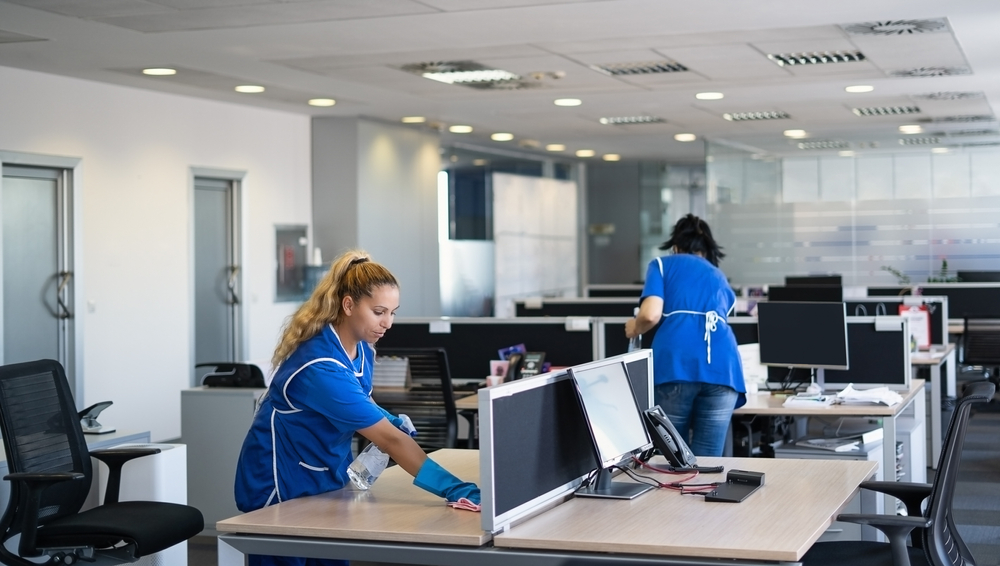
Relocating a business is exciting, but it also comes with dozens of moving parts that can easily disrupt operations if important details are overlooked. Whether your company is moving into a new office in Downtown Savannah, the Southside, or another part of Chatham County, having a structured relocation plan helps ensure employees can get back to work with minimal downtime.
Quick Answer
The best way to prepare your new office for day one is to create a detailed relocation checklist that covers utilities, technology, workspace setup, safety, employee communication, and professional office cleaning before your team arrives. A clean, organized workspace supports productivity, creates a positive first impression, and helps your business start operating smoothly from the first day.
What Local Readers Should Know
-
Schedule utility activation, internet installation, and security system setup well before moving day to avoid unnecessary delays.
-
Commercial cleaning before occupancy helps remove construction dust, debris, and accumulated dirt left behind by previous tenants.
-
Businesses relocating within Savannah should account for traffic patterns around major corridors such as Abercorn Street and Interstate 16 when scheduling moving crews.
-
Office furniture installation and technology setup should be completed before employees begin unpacking personal workstations.
-
Creating a detailed timeline with assigned responsibilities helps reduce confusion throughout the relocation process.
Why This Matters Locally
Preparing a new office in Savannah involves more than transporting furniture from one location to another. Many commercial buildings throughout the Historic District, Midtown, Pooler, and surrounding business areas vary significantly in age, layout, and maintenance needs. Older office spaces may require additional cleaning after renovations, while newer developments often generate construction dust that settles throughout the building before occupancy.
Savannah’s humid coastal climate can also allow dust and moisture to accumulate more quickly inside vacant commercial spaces. Starting with a professionally cleaned workplace helps create a healthier and more welcoming environment for employees and visitors alike.
Savannah Service Cleaning LLC understands how important a smooth transition is during a corporate relocation. We help businesses prepare their offices with thorough commercial cleaning so teams can focus on reopening instead of cleaning after the move.
Local Field Observations
Based on our experience preparing commercial properties, offices that undergo remodeling, tenant improvements, or extended vacancy often require more than a basic cleaning before employees return. Fine drywall dust, adhesive residue, fingerprints, and dirt frequently remain after contractors finish their work. Even buildings that appear clean at first glance often benefit from a comprehensive cleaning before furniture and equipment are fully installed.
Local Impact
A poorly prepared office can affect productivity from the very first day. Employees may spend valuable time organizing unfinished workspaces, cleaning desks, or working around contractors completing final tasks.
For businesses welcoming clients or partners into a newly relocated office, first impressions matter. Clean floors, spotless restrooms, dust-free conference rooms, and sanitized common areas communicate professionalism and attention to detail.
Warning Signs Your Office Needs Pre-Move Cleaning
-
Construction dust is visible on floors, windowsills, or HVAC vents.
-
Restrooms have not been professionally sanitized since renovations.
-
Carpets contain debris from previous tenants.
-
Windows have fingerprints, dust, or adhesive residue.
-
Breakrooms still contain grease, dirt, or cabinet dust.
-
Air vents show visible dust buildup.
-
Hard flooring has scuff marks or construction residue.
-
Empty offices have accumulated dirt during vacancy.
When to Call a Professional
Professional commercial cleaning is recommended after construction, remodeling, or tenant turnover and before employees occupy the building.
Business owners can perform simple walkthroughs to identify obvious issues, but deep cleaning large office spaces requires commercial equipment, appropriate cleaning products, and enough staff to complete the work efficiently without delaying the move-in schedule.
Common Local Causes of Cleaning Challenges During Relocation
1. Construction and Renovation Projects
Even small remodeling projects leave behind fine dust that settles throughout an office, including inside vents, lighting fixtures, and workspaces.
2. Vacant Commercial Spaces
Office suites that sit empty for weeks or months often collect dust, insects, and dirt despite appearing relatively clean.
3. Coastal Humidity
The coastal environment around Savannah can contribute to moisture accumulation that leaves windows, entryways, and flooring requiring additional attention before occupancy.
4. Heavy Moving Activity
Moving crews naturally track dirt into buildings while transporting furniture, equipment, and supplies. Final cleaning should occur after major moving activities are complete whenever possible.
Prevention and Maintenance
Planning ahead helps reduce stress during relocation.
Consider these best practices:
-
Schedule cleaning after contractors finish but before employees move in.
-
Protect newly cleaned floors while furniture is installed.
-
Coordinate internet installation with workstation setup.
-
Confirm HVAC systems are operating before final cleaning.
-
Develop a post-move cleaning schedule to maintain the new workspace.
-
Assign one relocation coordinator to oversee vendors and timelines.
Expected Results
A properly prepared office should feel clean, organized, and ready for immediate use. Employees can begin working without spending time cleaning workstations, conference rooms, or shared spaces. Visitors also experience a more professional environment from their first step through the front door.
While every property differs, professional pre-occupancy cleaning typically addresses visible dust, sanitizes high-touch surfaces, refreshes flooring, cleans restrooms, and prepares common areas for normal business operations.
Common Mistakes
Mistake: Scheduling cleaning before construction is complete.
Consequence: Dust and debris return before employees arrive.
Better Approach: Schedule final cleaning after all contractors have completed their work.
Mistake: Forgetting shared spaces.
Consequence: Breakrooms, conference rooms, and restrooms become overlooked.
Better Approach: Include every occupied space in the cleaning plan.
Mistake: Waiting until moving day to identify problems.
Consequence: Delays and unnecessary employee downtime.
Better Approach: Complete a final walkthrough several days before occupancy.
Common Local Scenario
A growing business relocates from a smaller office near Midtown to a larger commercial space closer to Pooler. Renovations finish only days before the move, leaving drywall dust throughout the office. Rather than asking employees to clean before unpacking, the company schedules professional commercial cleaning so staff can begin working immediately upon arrival.
Related Service Solutions
Businesses preparing for relocation often benefit from services such as:
-
Commercial office cleaning
-
Post-construction cleaning
-
Floor cleaning and maintenance
-
Restroom sanitation
-
Breakroom cleaning
-
Window cleaning
-
Common area cleaning
-
Ongoing janitorial services after occupancy
Comparing Your Options
| Option |
Advantages |
Considerations |
| Employee Cleaning |
Lower immediate cost |
Takes employees away from their regular work and may not achieve professional results |
| Professional Commercial Cleaning |
Thorough cleaning with commercial equipment and trained staff |
Requires advance scheduling during relocation planning |
| Basic Cleaning Only |
Faster completion |
May leave hidden dust, construction residue, and overlooked areas |
| Comprehensive Pre-Move Cleaning |
Creates a move-in ready workplace |
Best completed after all construction and major moving activities |
Service Areas
We proudly serve businesses throughout Savannah as well as nearby communities including Pooler, Garden City, Richmond Hill, and other surrounding areas in Chatham County. Our commercial cleaning services help businesses prepare offices for successful openings and smooth transitions.
Cost of Ignoring the Issue
Delaying professional cleaning can create unnecessary disruptions after employees return to work. Dust, debris, and unfinished cleaning tasks may reduce productivity, create poor first impressions, and require additional downtime after occupancy instead of before.
Frequently Asked Questions
How far in advance should businesses schedule office cleaning before moving into a Savannah location?
The best time is after construction and furniture installation are complete but before employees arrive. Scheduling early also helps ensure availability during busy moving seasons.
Is post-construction cleaning different from regular office cleaning?
Yes. Post-construction cleaning focuses on removing drywall dust, construction debris, adhesives, and residue left behind after remodeling or tenant improvements.
Should cleaning happen before or after furniture is installed?
Most businesses benefit from cleaning after major furniture installation is complete so floors and workspaces can receive a final detailed cleaning before occupancy.
Why is commercial cleaning especially helpful for offices in Savannah?
Savannah’s humid coastal climate and active commercial development can contribute to dust accumulation, making a thorough pre-occupancy cleaning valuable for creating a fresh work environment.
Can businesses continue operating during a relocation cleaning project?
Many projects can be scheduled before occupancy or outside normal business hours to minimize disruptions.
What areas should never be overlooked during a corporate relocation?
Restrooms, breakrooms, conference rooms, entryways, air vents, flooring, and high-touch surfaces should all be included in a comprehensive cleaning plan.
Closing
Relocating your office involves far more than moving desks and computers. A thoughtful relocation checklist helps keep your project organized while ensuring your employees walk into a workspace that is clean, safe, and ready for business. Investing time in preparation before opening day helps support a smoother transition and allows your team to focus on serving customers instead of handling unfinished tasks.
Prepare Your New Savannah Office with Confidence
A professionally cleaned office helps your business start its next chapter on the right foot.
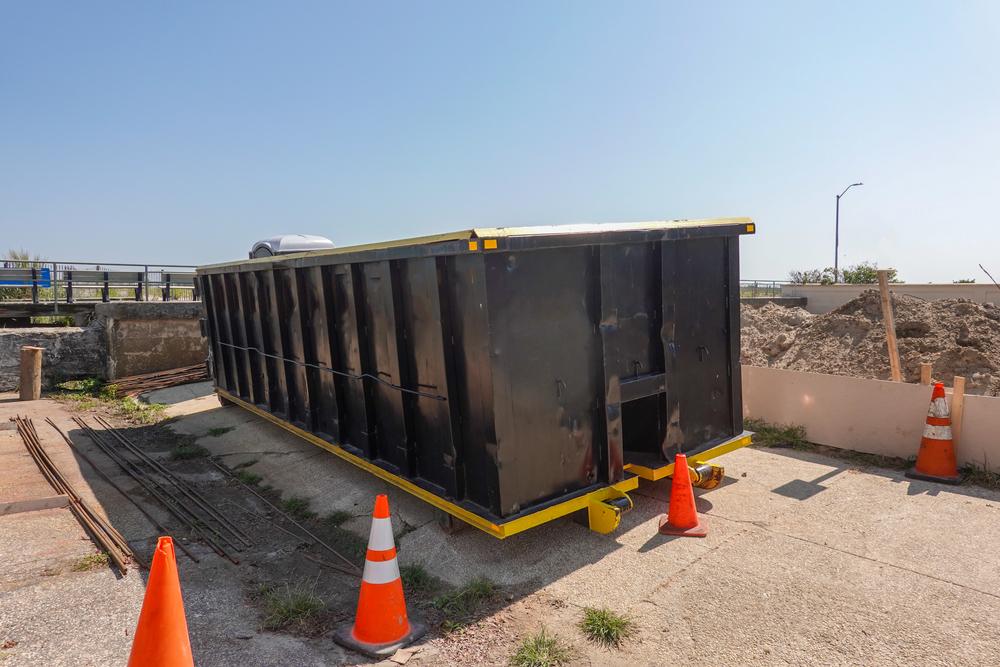
Construction projects are exciting because they signal growth, renovation, and new opportunities. The final stages, however, often leave behind layers of dust, debris, adhesive residue, and fine particles that can quickly overshadow the finished work. For businesses and property owners in Savannah, GA, a thorough post-construction cleanup is the final step that transforms a job site into a clean, safe, and welcoming space.
Quick Answer
Post-construction cleanup requires specialized commercial cleaning because construction dust, leftover materials, and fine debris demand more than standard janitorial services. Professional crews use commercial-grade equipment, proven cleaning methods, and systematic processes to remove hazardous dust, protect new finishes, and prepare the property for occupancy without overlooking important details.
What Local Readers Should Know
- Construction dust can settle inside HVAC systems, light fixtures, and other hard-to-reach areas long after the visible debris is removed.
- Commercial buildings throughout Savannah often require detailed cleaning before employees, tenants, or customers can safely occupy the space.
- Coastal humidity in Chatham County can cause construction dust to cling to surfaces, making thorough cleaning even more important.
- Newly installed flooring, windows, fixtures, and finishes require the right cleaning products to avoid scratches or damage.
- A structured post-construction cleanup helps contractors complete projects with a professional presentation.
Why This Matters Locally
Post-construction cleanup is especially important in Savannah because the region experiences high humidity, seasonal pollen, and coastal conditions that can combine with construction dust to create stubborn buildup. Whether a project is located in Historic Downtown Savannah, Pooler, Georgetown, Wilmington Island, or nearby Garden City, construction debris can spread throughout an entire building if it is not properly removed.
Commercial offices, medical facilities, retail stores, restaurants, schools, and industrial buildings all have different cleaning requirements before reopening or welcoming occupants. A specialized cleaning process helps ensure every finished surface looks as intended.
Savannah Service Cleaning LLC provides commercial cleaning services throughout the area, and we understand that the final impression of a completed construction project depends on much more than removing trash. We focus on preparing newly finished spaces for safe, professional use.
Local Field Observations
Based on our professional field experience, one of the most common challenges after construction projects is the amount of fine dust that remains hidden after general debris has been removed. Dust frequently settles inside vents, window tracks, cabinet interiors, ceiling fixtures, and behind newly installed equipment.
Properties near the Savannah River or closer to coastal areas may also experience additional moisture that causes dust to stick to walls, glass, and finished surfaces, requiring specialized cleaning methods rather than simple wiping.
Local Impact
A building that appears finished may still contain construction residue that affects indoor air quality, employee comfort, and customer impressions. Dust tracked throughout the property can also increase maintenance needs during the first several weeks after occupancy.
For commercial property owners, delayed cleanup may postpone inspections, tenant move-ins, employee onboarding, or grand openings. Thorough cleaning helps projects transition smoothly from construction site to operational business.
Warning Signs Your Property Needs Professional Post-Construction Cleanup
Professional post-construction cleaning is usually necessary if you notice any of the following:
- Fine white dust continues appearing after repeated wiping.
- Window glass contains paint overspray or adhesive residue.
- Flooring has footprints, grout haze, or protective film residue.
- Air vents release visible dust after the HVAC system starts.
- Cabinet interiors and shelving contain drywall dust.
- Light fixtures and ceiling fans have accumulated debris.
- Newly installed surfaces appear dull despite being brand new.
When to Call a Professional
Professional post-construction cleaning is recommended once contractors have completed the primary construction work and major debris has been removed. While property owners can often handle small amounts of leftover dust, commercial projects typically require specialized equipment and detailed cleaning procedures.
Professional service becomes especially valuable when the project includes multiple rooms, high ceilings, specialty flooring, large windows, occupied neighboring spaces, or strict opening deadlines.
Common Local Causes of Extensive Construction Dust
Several factors contribute to heavy post-construction cleanup needs throughout the Savannah area.
1. Drywall Installation and Sanding
Drywall dust is extremely fine and can travel throughout an entire building through normal air circulation.
2. Flooring Installation
Tile, concrete polishing, wood flooring, and grout installation frequently leave residue that requires specialized removal techniques.
3. Coastal Humidity
Humidity common throughout Coastal Georgia allows dust to adhere more firmly to glass, trim, and finished surfaces.
4. HVAC Operation During Construction
Running heating or cooling systems before final cleaning may distribute construction dust into ductwork and occupied spaces.
5. Multiple Construction Trades
Electricians, painters, plumbers, carpenters, and flooring installers each leave different types of debris requiring different cleaning methods.
Prevention and Maintenance
Reducing post-construction cleanup challenges begins during the construction process.
Helpful practices include:
- Isolating active work areas whenever possible.
- Replacing HVAC filters before occupancy.
- Scheduling cleaning after all major trades have completed their work.
- Protecting finished flooring until construction is complete.
- Performing a detailed final cleaning before furniture installation.
- Scheduling ongoing commercial cleaning after occupancy to maintain the newly finished space.
Expected Results
A professional post-construction cleanup should leave the building ready for occupancy with noticeably improved cleanliness throughout the property.
Property owners can typically expect:
- Dust-free horizontal surfaces.
- Clean interior glass.
- Detailed floor cleaning appropriate for the flooring type.
- Sanitized restrooms and common areas.
- Clean fixtures, trim, and doors.
- Removal of construction residue from visible finished surfaces.
The goal is not simply removing debris but presenting the completed project at its best.
Common Mistakes
Mistake: Treating post-construction cleanup like regular janitorial service.
Consequence: Fine dust remains hidden throughout the building.
Better Approach: Use specialized commercial cleaning procedures designed specifically for newly completed construction projects.
Mistake: Cleaning before every contractor has finished.
Consequence: Newly cleaned areas become dirty again.
Better Approach: Schedule final cleaning after construction activities are complete.
Mistake: Using harsh chemicals on new finishes.
Consequence: Floors, countertops, fixtures, or glass may become damaged.
Better Approach: Match cleaning products to each newly installed material.
Common Local Scenario
A newly renovated office building prepares for its grand opening only to discover visible dust settling on desks, window sills, and reception counters each morning. Although construction appears complete, hidden drywall dust continues circulating through the building.
A comprehensive commercial post-construction cleaning addresses both visible debris and hidden dust, helping the business open with confidence and present a polished first impression to employees and visitors.
Related Service Solutions
Post-construction cleaning often works alongside several commercial cleaning services, including:
- Commercial janitorial services
- Floor cleaning and maintenance
- Window cleaning
- Carpet cleaning
- Restroom sanitization
- Common area cleaning
- Move-in cleaning
- Ongoing commercial maintenance cleaning
Comparing Your Options
| Option |
Advantages |
Limitations |
| DIY Cleanup |
Lower immediate cost for very small projects |
Time-consuming, limited equipment, easy to overlook fine dust |
| Standard Janitorial Cleaning |
Helpful for routine maintenance |
Not designed for heavy construction residue |
| Specialized Commercial Post-Construction Cleaning |
Thorough removal of dust, debris, residue, and contaminants |
Requires professional scheduling after construction completion |
Service Areas
We proudly serve businesses throughout Savannah along with nearby communities including Pooler, Garden City, Richmond Hill, Tybee Island, and other areas across Chatham County. Our commercial cleaning services are designed to support businesses preparing newly completed properties for occupancy.
Cost of Ignoring the Issue
Waiting too long to complete post-construction cleaning can allow dust to settle deeper into carpets, HVAC systems, and finished surfaces. Delayed cleaning may also affect indoor air quality, create additional maintenance work, and leave visitors with a poor first impression during the important opening phase of a project.
Frequently Asked Questions
How long does post-construction cleaning usually take in Savannah?
The timeline depends on the size of the building, the type of construction completed, and the amount of debris remaining. Larger commercial properties in Savannah generally require more detailed cleaning than small tenant improvements.
Why can’t regular janitorial cleaning handle post-construction cleanup?
Regular janitorial services focus on ongoing maintenance, while post-construction cleanup addresses heavy dust, adhesive residue, paint overspray, protective films, and other materials left behind after building projects.
Is construction dust harmful inside commercial buildings?
Construction dust can reduce indoor cleanliness and settle throughout occupied areas. Removing it before employees or customers arrive helps create a cleaner and more comfortable environment.
Should HVAC systems be cleaned after construction in Chatham County?
If construction dust has circulated through the HVAC system, replacing filters and evaluating the system may be beneficial. The appropriate approach depends on the scope of the construction project.
What surfaces require the most attention after construction?
Glass, flooring, trim, light fixtures, cabinets, countertops, vents, and newly installed equipment often require detailed cleaning to remove fine dust and residue.
Does coastal humidity affect post-construction cleaning near Savannah?
Yes. Coastal humidity can cause dust and residue to cling more firmly to surfaces, making professional cleaning techniques especially valuable throughout the region.
Can businesses remain open during post-construction cleaning?
Some projects can be cleaned in phases while portions of the building remain operational. The best approach depends on the building layout and construction schedule.
When should post-construction cleaning be scheduled?
Final cleaning should typically occur after all major construction work has finished and before furniture installation, occupancy, or grand opening events whenever possible.
Closing
A construction project is only truly complete when the space is clean, safe, and ready for use. Professional post-construction cleaning helps showcase the quality of the finished work while creating a welcoming environment for employees, tenants, and customers throughout the Savannah area.
Prepare Your New Space with Confidence
Our team is ready to help transform your completed construction project into a spotless, move-in-ready property.
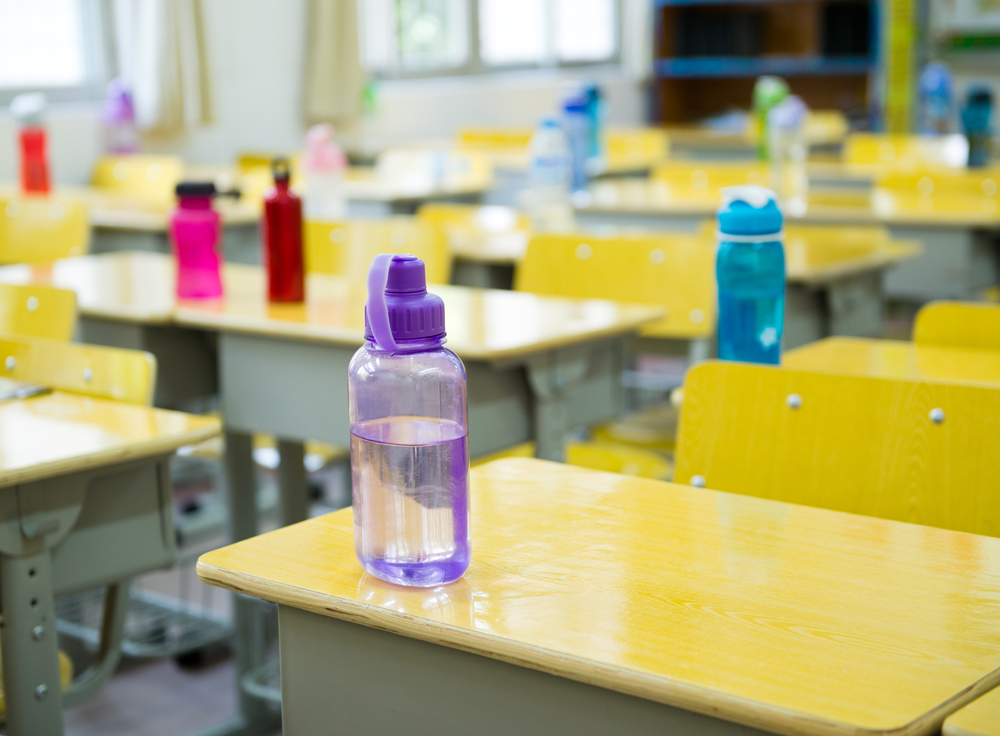
A clean classroom does more than create a pleasant learning environment. It helps reduce the spread of germs, supports healthier indoor air, and creates a space where students and teachers can focus on learning instead of illness. For families and educators across the Savannah area, maintaining clean educational spaces is one piece of supporting consistent school attendance.
Quick Answer
Clean classrooms contribute to better student attendance by reducing the buildup of germs, allergens, dust, and other contaminants that can affect health and comfort. While cleaning alone cannot prevent every illness, consistent cleaning and disinfection practices help create healthier learning environments that encourage regular attendance and improve the daily experience for students, teachers, and staff.
What Local Readers Should Know
- Regular cleaning helps reduce the accumulation of bacteria, viruses, dust, and allergens on high-touch classroom surfaces.
- Schools throughout Chatham County experience periods of increased seasonal illnesses, making consistent cleaning especially valuable during peak illness seasons.
- Coastal Georgia’s humidity can contribute to moisture-related issues that require proactive cleaning and maintenance.
- Clean learning environments also improve the appearance of classrooms, helping students feel more comfortable and ready to learn.
- High-touch areas such as desks, door handles, cafeteria tables, and shared learning materials deserve extra attention throughout the school year.
Why This Matters Locally
Healthy classrooms matter throughout the Savannah region because local schools welcome hundreds of students through their doors every day. Shared desks, hallways, cafeterias, libraries, and gymnasiums create countless opportunities for germs to spread if routine cleaning is inconsistent.
The warm, humid climate along Georgia’s coast also creates unique cleaning challenges. Higher humidity levels can contribute to lingering moisture, increased dust accumulation, and conditions where mold may develop if facilities are not properly maintained.
Savannah Service Cleaning LLC understands how important clean educational environments are for schools, childcare centers, and educational facilities throughout the region. We believe every student deserves a clean, welcoming place to learn each day.
Local Data and Professional Observations
Public health organizations such as the Centers for Disease Control and Prevention continue to recommend routine cleaning of high-touch surfaces as part of maintaining healthier indoor environments. Schools that follow consistent cleaning schedules help reduce the spread of common illnesses while creating cleaner learning spaces.
From our professional experience serving facilities throughout Coastal Georgia, classrooms with structured cleaning routines often remain more presentable throughout the school week. Regular attention to floors, desks, restrooms, cafeterias, and common areas helps prevent dirt and contaminants from accumulating over time.
How Classroom Cleanliness Affects Student Attendance
Clean classrooms support better attendance by helping reduce exposure to common germs while improving overall comfort inside learning spaces.
Several factors contribute to this relationship.
Reduced Germ Transmission
Students frequently share supplies, desks, technology, and classroom equipment. Routine cleaning of these surfaces helps remove contaminants that may contribute to illness.
Better Indoor Air Quality
Dust, pollen, and other airborne particles can accumulate inside educational facilities. Regular dust removal and floor cleaning help improve indoor air quality for students and staff.
Improved Student Comfort
Students are more likely to feel comfortable in classrooms that are clean, organized, and free from unpleasant odors.
Increased Staff Confidence
Teachers can spend more time focusing on instruction when classrooms are maintained consistently instead of worrying about sanitation concerns.
Warning Signs a School May Need More Frequent Cleaning
Educational facilities should consider reviewing their cleaning schedule if they notice:
- Frequently dirty desks at the start of the school day.
- Dust collecting on classroom furniture and shelving.
- Lingering restroom odors.
- Trash overflowing before scheduled pickups.
- Smudges on classroom windows and glass doors.
- Sticky cafeteria tables after meal periods.
- Increased complaints about indoor air quality.
- High-touch surfaces that appear visibly soiled.
When to Call a Professional Cleaning Company
Professional cleaning becomes especially valuable when routine custodial work is no longer keeping up with the demands of busy educational facilities.
Schools should consider professional services when:
- Seasonal illnesses increase throughout the community.
- Deep cleaning is needed during school breaks.
- Summer preparation is underway before students return.
- Floors require stripping, waxing, or restorative cleaning.
- Special events create additional cleaning needs.
- Construction or renovation projects leave dust throughout the building.
- Custodial teams need supplemental support.
Common Local Causes of Classroom Cleaning Challenges
Several local factors influence cleaning needs throughout the Savannah area.
Coastal Humidity
Higher humidity levels can contribute to moisture buildup that requires consistent monitoring and cleaning.
Heavy Student Traffic
Schools serving growing communities experience significant daily foot traffic that brings dirt and debris into classrooms.
Seasonal Allergens
Spring pollen throughout Coastal Georgia can quickly accumulate inside buildings, affecting indoor cleanliness.
Rainy Weather
Wet shoes track moisture and dirt into hallways and classrooms during rainy periods.
Shared Learning Spaces
Libraries, cafeterias, gyms, and media centers experience continuous use throughout the school day.
Prevention and Maintenance Tips
Educational facilities can maintain healthier classrooms through consistent preventive cleaning practices.
- Clean high-touch surfaces daily.
- Vacuum carpets using equipment with quality filtration.
- Mop hard floors on a regular schedule.
- Empty trash before bins overflow.
- Deep clean classrooms during holiday and summer breaks.
- Sanitize shared equipment regularly.
- Address moisture concerns promptly.
- Encourage proper hand hygiene throughout the school.
Expected Results from Professional Classroom Cleaning
Schools that invest in routine professional cleaning can expect cleaner facilities that are easier to maintain throughout the academic year.
Professional cleaning also helps:
- Improve the appearance of classrooms.
- Support healthier indoor environments.
- Extend the life of flooring and furniture.
- Reduce odors.
- Create a more welcoming environment for students, teachers, parents, and visitors.
Common Mistakes Schools Make
Waiting until problems become visible
Consequence: Dirt and germs continue accumulating between deep cleanings.
Better approach: Maintain a consistent cleaning schedule year-round.
Focusing only on visible surfaces
Consequence: Frequently touched areas may be overlooked.
Better approach: Include desks, light switches, door handles, keyboards, and shared equipment.
Skipping summer deep cleaning
Consequence: Dust and buildup remain before students return.
Better approach: Schedule comprehensive cleaning during school breaks.
Common Local Scenario
A school preparing for the new academic year in the Richmond Hill and Savannah area schedules a complete summer deep cleaning before teachers return. Floors are thoroughly cleaned, classrooms are disinfected, restrooms receive detailed attention, and common areas are refreshed before students arrive. Starting the school year with a clean environment helps create a positive first impression while making ongoing maintenance easier throughout the semester.
Related Service Solutions
Educational facilities often benefit from a combination of cleaning services, including:
- Classroom cleaning
- Restroom sanitation
- Floor care
- Carpet cleaning
- Window cleaning
- High-touch surface disinfection
- Common area cleaning
- Janitorial services for educational facilities
Comparing Your Options
| Option |
Advantages |
Considerations |
| In-house custodial staff only |
Daily familiarity with the facility |
May have limited time for deep cleaning |
| Professional supplemental cleaning |
Provides specialized equipment and additional support |
Best used alongside routine maintenance |
| Scheduled preventive cleaning |
Helps maintain consistent cleanliness |
Requires ongoing planning |
| Reactive cleaning |
Addresses immediate concerns |
May allow buildup before service occurs |
Service Areas
We proudly serve Richmond Hill, Savannah, Pooler, Georgetown, Garden City, Wilmington Island, Chatham County, Bryan County, and surrounding Coastal Georgia communities. Our cleaning services are tailored to the needs of schools, commercial facilities, and organizations throughout the region.
The Cost of Ignoring Classroom Cleanliness
Delaying routine cleaning can allow dirt, allergens, and germs to build up over time. That may create less comfortable learning environments, increase maintenance costs, shorten the lifespan of flooring and furnishings, and require more extensive cleaning later.
Frequently Asked Questions
Does classroom cleanliness really affect student attendance in the Savannah area?
Yes. Clean classrooms help reduce exposure to germs and improve overall indoor comfort. While many factors influence attendance, consistent cleaning supports healthier learning environments for students and staff throughout the Savannah region.
How often should schools in Chatham County schedule professional cleaning?
The best schedule depends on building size, occupancy, and daily use. Many educational facilities benefit from routine janitorial service along with deeper cleaning during school breaks and seasonal transitions.
Why is humidity a concern for schools near Richmond Hill?
Coastal humidity can contribute to moisture buildup, odors, and conditions that require more frequent cleaning. Consistent maintenance helps classrooms remain clean and comfortable throughout the year.
Which classroom surfaces require the most attention?
High-touch surfaces such as desks, door handles, shared computers, cafeteria tables, restroom fixtures, and light switches should receive frequent cleaning and sanitation.
Can professional cleaning improve indoor air quality?
Professional cleaning helps remove dust, dirt, and allergens from floors and surfaces, supporting healthier indoor environments alongside proper HVAC maintenance.
When is the best time for schools to schedule deep cleaning?
Summer vacation, winter break, spring break, and extended holidays provide excellent opportunities for comprehensive cleaning with minimal disruption to students and staff.
Do educational facilities in Bryan County benefit from customized cleaning plans?
Yes. Every school has different schedules, occupancy levels, and facility layouts. Customized cleaning programs allow services to match each building’s specific needs.
What types of schools can benefit from professional cleaning?
Public schools, private schools, charter schools, daycare centers, preschools, tutoring centers, colleges, and training facilities can all benefit from consistent professional cleaning services.
Closing
Clean classrooms help create healthier, more welcoming learning environments for students, educators, and families throughout the Savannah area. Consistent cleaning supports educational spaces that are ready for learning every day while helping facilities stay well maintained throughout the school year.
Create a Healthier Learning Environment
A cleaner school starts with a thoughtful, consistent cleaning plan tailored to your facility’s needs.
Anyone who has spent a summer along Georgia’s coast knows that humidity is more than just uncomfortable. It can creep into office buildings, retail stores, medical offices, restaurants, and warehouses, creating lingering odors, mildew, and conditions that make workplaces feel less inviting. In a city where warm temperatures and coastal moisture are part of daily life for much of the year, businesses need practical strategies to stay ahead of indoor moisture problems.
Quick Answer
Savannah’s high humidity creates ideal conditions for mold, mildew, musty odors, and excess indoor moisture in commercial buildings. Preventing these issues requires consistent cleaning, moisture control, proper ventilation, and routine inspections before small problems become larger indoor air quality concerns.
What Local Readers Should Know
- Coastal humidity can allow mold and mildew to develop even in buildings without obvious water leaks.
- Businesses near the Savannah River, Historic District, Midtown, and Southside often deal with prolonged periods of elevated moisture levels.
- Air conditioning helps remove humidity, but dirty vents, neglected surfaces, and poor airflow can still allow musty odors to develop.
- Routine professional cleaning helps remove organic material that mold and mildew use as a food source.
- Early attention to moisture issues is usually less disruptive than dealing with widespread mold contamination later.
Why This Matters Locally
High humidity is simply part of life in Savannah. Combined with frequent summer rain, afternoon thunderstorms, and warm temperatures, indoor spaces often stay damp longer than many property owners realize. Older commercial buildings throughout the Historic District may have limited ventilation compared to newer office spaces, while warehouses near the Port of Savannah often experience large temperature swings that contribute to condensation.
Businesses throughout Chatham County also deal with customers and employees moving constantly between hot outdoor air and cool indoor environments. Every time exterior doors open, humid air enters the building. Without proper maintenance and cleaning, moisture can accumulate on surfaces that rarely receive attention.
Savannah Service Cleaning LLC understands these local conditions because we work with businesses that experience them every day. Our goal is to help create cleaner, fresher workplaces that support employees, customers, and long-term property care.
Local Data and Professional Field Observations
The National Weather Service regularly reports high relative humidity across coastal southeast Georgia, particularly from late spring through early fall. Those weather patterns create conditions where moisture remains trapped inside commercial buildings if ventilation, cleaning, and humidity control are not managed effectively.
From our professional field observations, musty odors are often strongest in:
- Carpeted offices
- Storage rooms
- Employee break rooms
- Restrooms
- Supply closets
- Buildings with older HVAC systems
- Areas with limited natural airflow
Many of these spaces appear clean on the surface while hidden moisture allows mildew and odors to develop over time.
Local Impact
Humidity affects more than comfort.
Persistent moisture can leave offices smelling stale, reduce employee comfort, create unpleasant first impressions for customers, and contribute to stains on ceilings or walls if leaks go unnoticed.
Retail businesses depend on welcoming environments. Medical offices benefit from clean-smelling waiting rooms. Professional offices want conference rooms that feel fresh rather than damp. Even industrial facilities benefit from cleaner break rooms and administrative areas.
Keeping moisture under control helps preserve flooring, furnishings, wall finishes, and indoor air quality.
Warning Signs
Several early warning signs suggest humidity may be creating indoor problems:
- Persistent musty odors that return shortly after cleaning
- Dark spotting around vents or ceiling tiles
- Mildew developing on restroom grout or caulking
- Condensation on windows or glass doors
- Damp carpet near exterior walls
- Employees commenting on stale indoor air
- Visible discoloration near HVAC vents
- Storage rooms that consistently smell damp
Addressing these warning signs early often prevents larger cleaning or restoration needs.
When to Call a Professional
Professional cleaning becomes worthwhile when humidity-related problems continue despite routine housekeeping.
Business owners can monitor visible moisture, replace HVAC filters according to manufacturer recommendations, and report plumbing leaks promptly. However, recurring mildew, lingering odors, widespread dust buildup, or surfaces that never seem fully clean usually benefit from professional commercial cleaning.
If mold growth appears extensive or follows significant water damage, specialized mold remediation may also be appropriate.
Common Local Causes
Savannah’s humidity problems usually develop from several overlapping factors.
1. Coastal Humidity
Warm, moisture-rich air remains common for much of the year.
2. Frequent Rainfall
Heavy rain increases overall moisture levels around commercial properties.
3. Air Conditioning Cycles
Buildings that cycle HVAC systems off overnight may allow humidity to rise before employees arrive.
4. Limited Airflow
Storage rooms, interior offices, and utility spaces often receive less ventilation.
5. Older Building Construction
Historic commercial buildings may have unique ventilation challenges compared to newer developments around Pooler or Georgetown.
6. Water Intrusion
Small roof leaks, plumbing leaks, or window seal failures can quietly support mold growth over time.
Prevention and Maintenance
The best defense against humidity-related problems combines cleaning with moisture management.
Businesses should:
- Schedule routine professional cleaning.
- Keep HVAC systems maintained.
- Repair leaks promptly.
- Improve airflow in enclosed spaces.
- Monitor restrooms and kitchens for excess moisture.
- Clean high-touch surfaces regularly.
- Remove accumulated dust from overlooked areas.
- Inspect carpets after heavy rain events.
Seasonal inspections before peak summer humidity can help identify developing issues before they affect employees or customers.
Expected Results
Professional commercial cleaning cannot eliminate Georgia’s humidity, but it can significantly improve how indoor spaces respond to it.
Businesses often notice:
- Fresher indoor odors
- Cleaner shared workspaces
- Reduced dust accumulation
- Better overall workplace appearance
- Improved customer impressions
- More comfortable employee environments
Ongoing maintenance typically produces more consistent results than occasional deep cleaning alone.
Common Mistakes
Mistake: Masking musty odors with air fresheners.
Consequence: The underlying moisture problem continues to grow.
Better Approach: Identify moisture sources while improving cleaning and ventilation.
Mistake: Waiting until mold becomes visible.
Consequence: Cleaning may become more extensive and disruptive.
Better Approach: Address odors and moisture as early warning signs.
Mistake: Ignoring storage areas.
Consequence: Hidden mildew can spread unnoticed.
Better Approach: Include low-traffic spaces in regular cleaning schedules.
Common Local Scenario
A professional office near downtown notices a lingering musty smell each Monday morning during the summer. The HVAC system performs normally, but humidity builds over weekends while the building sits mostly unoccupied. Dust, moisture, and limited airflow combine to create stale indoor conditions.
Routine professional cleaning, improved ventilation practices, and regular inspections help keep the workspace fresher throughout the season.
Related Service Solutions
Humidity-related concerns often improve with services such as:
- Commercial office cleaning
- Restroom sanitation
- Floor cleaning
- Carpet cleaning
- High-touch surface disinfection
- Break room cleaning
- Scheduled maintenance cleaning
- Deep cleaning services
Comparing Your Options
| Option |
Benefits |
Limitations |
| DIY cleaning |
Helps maintain daily appearance |
May overlook hidden moisture buildup |
| Occasional deep cleaning |
Addresses accumulated dirt periodically |
Problems may return between visits |
| Routine professional cleaning |
Provides consistent maintenance and monitoring |
Requires scheduled service |
| Moisture control plus professional cleaning |
Supports cleaner, fresher indoor environments |
Works best as an ongoing strategy |
Service Areas
We proudly serve businesses throughout Savannah as well as nearby communities including Pooler, Garden City, Richmond Hill, Tybee Island, and other areas across Chatham County. Our services are designed for local businesses facing the unique challenges of Georgia’s coastal climate.
Cost of Ignoring the Issue
Ignoring indoor humidity can lead to recurring odors, damaged finishes, employee complaints, reduced customer comfort, and more extensive cleaning needs over time.
Addressing moisture early is often less disruptive than responding after mold, mildew, or persistent odors become established.
Frequently Asked Questions
Why is humidity such a challenge for businesses in Savannah?
Yes. Savannah’s coastal climate brings extended periods of high humidity that can allow moisture to linger indoors. Without regular cleaning and moisture management, mildew, musty odors, and indoor air quality concerns become more likely.
Can mold grow even if there are no obvious leaks?
Yes. Mold can develop whenever moisture, warmth, and organic material are present. High humidity alone may create favorable conditions on certain surfaces, particularly in areas with poor airflow.
Which commercial buildings in Chatham County are most vulnerable?
Older offices, retail spaces, warehouses, and buildings with limited ventilation often experience greater humidity challenges. However, newer facilities can also develop moisture issues if maintenance is inconsistent.
Will professional cleaning remove musty odors?
Professional cleaning can remove dirt, dust, and organic debris that contribute to unpleasant odors. If hidden moisture or mold is the underlying cause, those issues should also be addressed for lasting improvement.
How often should businesses schedule commercial cleaning in Savannah?
The ideal schedule depends on occupancy, building use, and seasonal conditions. Many businesses benefit from recurring service that maintains cleanliness throughout the humid months.
Does carpet contribute to office mustiness?
Yes. Carpet can retain moisture, dust, and organic particles if humidity remains elevated. Routine cleaning helps reduce buildup and supports fresher indoor conditions.
Are coastal businesses affected differently than inland properties?
Businesses closer to the coast often experience longer periods of elevated humidity due to marine air. That can increase the importance of ventilation, cleaning, and moisture management.
What is the first sign that humidity is becoming a problem?
Persistent musty odors are often one of the earliest indicators. Condensation, mildew around grout, and damp storage areas are also common warning signs.
Keep Your Workplace Fresh Through Every Savannah Season
Georgia’s coastal climate presents challenges, but consistent cleaning and moisture management can help businesses maintain healthier, more welcoming environments throughout the year.
Ready for a Cleaner, Fresher Workplace?
We’re here to help your business stay ahead of humidity, mildew, and office mustiness with dependable commercial cleaning services tailored to local conditions.