

The Savannah Humidity Survival Guide: How Commercial Facilities Combat Mold and Indoor Air Quality Issues
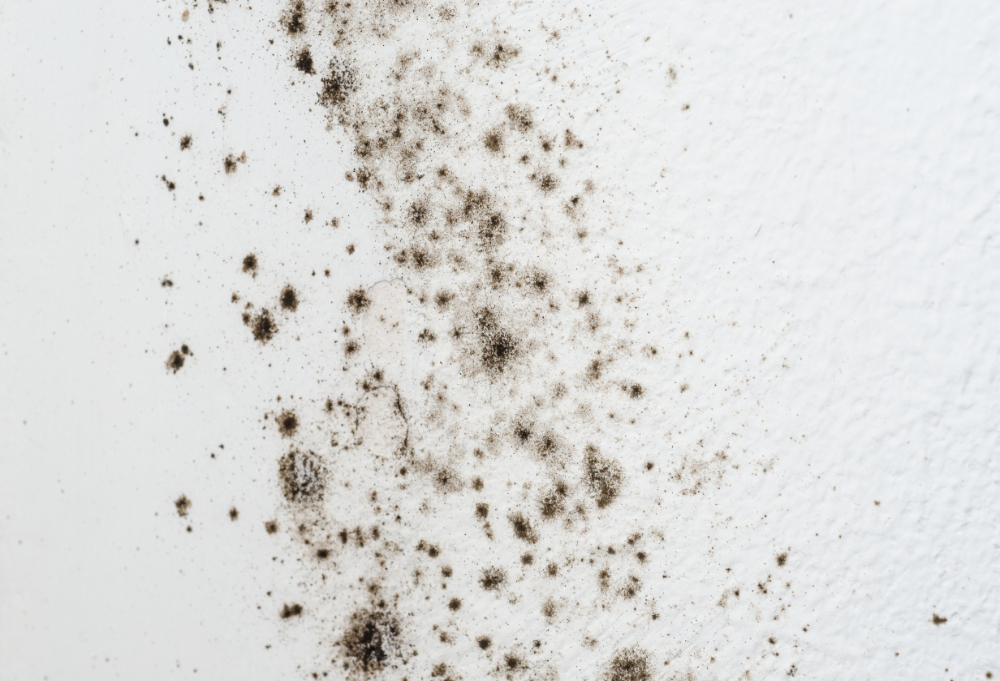
Savannah’s heat and moisture are part of life on the Georgia coast, but they can create difficult conditions inside commercial buildings. Offices, retail spaces, restaurants, warehouses, and other facilities may struggle with persistent humidity, musty odors, condensation, and indoor environments that feel damp even when the air conditioning is running.
The challenge is not simply keeping a building cool. Commercial facilities need to control moisture, maintain clean surfaces, address water intrusion quickly, and keep building systems working together to support healthier indoor conditions.
Quick answer: Commercial facilities in Savannah can reduce mold and indoor air quality problems by controlling indoor humidity, correcting leaks and condensation, maintaining HVAC and drainage systems, cleaning moisture-prone surfaces, and responding quickly when damp materials or visible growth appear. Because coastal Georgia regularly experiences warm, humid conditions, prevention should be an ongoing facility-management priority rather than a one-time cleanup.
What local facility managers should know
-
High outdoor humidity can make moisture control an ongoing challenge for commercial buildings throughout Savannah.
-
Buildings near the Savannah River, downtown, and other parts of coastal Chatham County operate in a climate where warm, moisture-heavy air is common.
-
Musty odors, recurring condensation, water stains, and visible growth deserve investigation rather than simply being covered or deodorized.
-
Cleaning can be part of an indoor air quality strategy, but persistent moisture sources must also be identified and corrected.
-
After storms or plumbing problems, quick attention to wet materials can help limit a small maintenance issue from becoming a larger facility problem.
Why Does Savannah Humidity Create Problems for Commercial Facilities?
Savannah humidity creates problems for commercial facilities because moisture-rich outdoor air can enter buildings and contribute to damp surfaces, condensation, and conditions that support microbial growth when moisture is not properly controlled. The risk can become more noticeable in heavily occupied buildings, spaces with frequent door traffic, and facilities with existing leaks or HVAC problems.
This is particularly relevant across the Historic District, Midtown, Southside, and commercial areas extending through Chatham County. Employees and customers may move between hot, humid outdoor conditions and cooled indoor spaces throughout the day, while doors, loading areas, and other openings repeatedly expose the building to outside air.
Older buildings can present additional moisture-management challenges because roofs, windows, plumbing, insulation, and ventilation systems may have changed considerably over the life of the property.
Savannah Service Cleaning LLC understands that commercial cleaning in this environment has to account for local moisture conditions. We approach facility cleanliness as part of the broader effort to keep commercial spaces maintained, presentable, and responsive to moisture-related concerns.
What Do Local Climate Conditions Tell Facility Managers?
Local climate conditions tell Savannah facility managers that humidity and moisture should be treated as recurring operational concerns rather than unusual events. The region’s long warm season, coastal location, heavy rain events, and humid outdoor air can repeatedly test roofs, drainage, HVAC systems, exterior openings, and moisture-sensitive interior materials.
Facility managers can use public weather information from the National Weather Service when planning around periods of heavy rainfall, storms, and unusually humid conditions. The important operational lesson is straightforward: a building that stayed dry last month still needs routine monitoring this month.
This matters from downtown properties near the Savannah River to commercial buildings toward Pooler and other parts of the metro area. Local conditions can change quickly, especially when thunderstorms or tropical weather bring substantial rainfall.
How Can Excess Moisture Affect a Commercial Building?
Excess moisture can affect a commercial building by contributing to odors, surface deterioration, staining, microbial growth, uncomfortable indoor conditions, and additional maintenance demands. If moisture continues unnoticed, the impact can extend beyond appearance and create recurring problems that disrupt normal facility operations.
A musty conference room can affect how clients perceive an office. Damp carpeting can take rooms out of service. Ceiling staining can indicate a problem above the visible surface. Persistent condensation can point to a humidity, insulation, or mechanical issue that cleaning alone will not resolve.
For restaurants, retail spaces, medical offices, hospitality properties, and other customer-facing facilities, indoor conditions also influence the overall impression visitors receive.
What Are the Warning Signs of a Moisture or Indoor Air Quality Problem?
Warning signs of a moisture or indoor air quality problem include recurring musty odors, visible growth, condensation, water staining, damp materials, and areas that repeatedly feel humid. One isolated sign does not always identify the cause, but repeated symptoms justify closer investigation.
Watch for:
-
Musty or earthy odors that return after routine cleaning.
-
Condensation on windows, pipes, vents, or other cool surfaces.
-
Discoloration or visible growth on walls, ceilings, flooring, or furnishings.
-
Water stains on ceiling tiles or drywall.
-
Carpet or other materials that remain damp.
-
Peeling paint, bubbling finishes, or deteriorating wall materials.
-
Recurring dampness around restrooms, kitchens, utility areas, or exterior entrances.
-
Odors or moisture complaints that consistently originate from the same room or zone.
The pattern matters. A recurring problem usually deserves more attention than simply cleaning the visible symptom again.
When Should a Commercial Facility Call a Professional?
A commercial facility should call an appropriate professional when moisture, odors, visible growth, or water damage is recurring, widespread, difficult to identify, or beyond what routine facility cleaning can safely address. The right professional may include a commercial cleaning provider, HVAC contractor, plumber, roofer, water-damage specialist, or qualified mold professional depending on the source.
Facility staff can routinely check for condensation, visible leaks, stained ceiling tiles, damp entry areas, and unusual odors. They can also document where and when problems occur.
DIY troubleshooting should stop when the underlying moisture source is unknown, contaminated materials may be involved, significant water intrusion has occurred, or specialized assessment or remediation may be necessary.
What Commonly Causes Moisture Problems in Savannah Commercial Buildings?
Common moisture problems in Savannah commercial buildings can come from humid outdoor air, HVAC and condensation issues, plumbing leaks, roof or envelope leaks, stormwater intrusion, and slow-drying materials. Several causes can occur at once, which is why finding the source is more important than repeatedly treating the visible symptom.
-
Humid outdoor air: Frequently opened entrances, loading docks, and poorly sealed openings can introduce warm, moisture-heavy air.
-
HVAC or condensation problems: Cool surfaces interacting with humid air can produce condensation, particularly around ducts, vents, pipes, and mechanical spaces.
-
Roof and building-envelope leaks: Heavy rain can expose vulnerabilities around roofing, windows, doors, flashing, and exterior penetrations.
-
Plumbing problems: Slow leaks beneath sinks, behind walls, or around restrooms can remain unnoticed until odors or visible damage appear.
-
Storm-related water intrusion: Coastal Georgia storms can overwhelm drainage or reveal building-envelope weaknesses.
-
Wet materials that dry slowly: Carpet, ceiling materials, furnishings, and other porous surfaces can retain moisture after leaks, spills, or water intrusion.
How Can Savannah Businesses Prevent Mold-Friendly Conditions?
Savannah businesses can help prevent mold-friendly conditions by keeping the building dry, monitoring moisture-prone areas, maintaining mechanical systems, cleaning consistently, and addressing water intrusion promptly. Prevention works best when facility teams combine everyday observation with scheduled professional maintenance.
During the warm, humid season, pay extra attention to exterior entrances, windows, HVAC areas, restrooms, kitchens, storage rooms, and other locations where moisture can collect.
After major rainfall, inspect known trouble spots for staining, dampness, leaks, or unusual odors. Keep gutters, drains, and exterior drainage systems maintained where applicable. HVAC equipment should be serviced by qualified professionals according to the needs of the system.
Routine commercial cleaning also helps facility managers see changing conditions. Dirt and clutter can conceal moisture damage, while consistent cleaning makes it easier to notice staining, surface changes, and recurring problem areas.
What Results Should Businesses Expect From Better Moisture Management?
Better moisture management should produce a cleaner, drier, more consistently maintained commercial environment, although results depend on correcting the actual source of moisture. Cleaning can remove soils and address appropriate surfaces, but a leaking pipe, roof problem, drainage issue, or mechanical fault requires the corresponding repair.
The realistic goal is not to eliminate Savannah’s outdoor humidity. It is to keep that humidity and other moisture sources from creating persistent indoor problems.
Facilities that combine maintenance, inspections, cleaning, and timely repairs are better positioned to catch issues early and reduce recurring cleanup.
What Mistakes Make Commercial Moisture Problems Worse?
The biggest mistakes are treating odors without finding the moisture source, delaying water-damage response, and assuming routine cleaning can correct every indoor air quality problem. A better approach connects cleaning with building maintenance and appropriate professional evaluation.
Mistake: Covering a musty odor with fragrance.
Consequence: The odor may return because its source remains.
Better approach: Investigate for damp materials, leaks, condensation, or other moisture problems.
Mistake: Replacing a stained ceiling tile without checking above it.
Consequence: A roof, plumbing, or condensation problem may continue.
Better approach: Identify and correct the source before treating the cosmetic damage.
Mistake: Ignoring recurring condensation.
Consequence: Nearby materials may remain repeatedly damp.
Better approach: Have the relevant building or HVAC issue evaluated.
Mistake: Waiting until after Savannah’s storm season to inspect problem areas.
Consequence: Water intrusion may remain unnoticed longer.
Better approach: Inspect vulnerable areas after significant rain and throughout humid months.
What Does a Common Local Commercial Scenario Look Like?
A common local commercial scenario begins with an odor or stain that appears minor but repeatedly returns because moisture is still entering or accumulating in the area. This example is illustrative, not a Savannah Service Cleaning LLC case study.
Consider a commercial office in Midtown. Employees begin noticing a musty smell near an exterior room after periods of heavy rain. Routine surface cleaning improves the space temporarily, but the odor returns.
The appropriate response is not simply stronger deodorization. Facility management should investigate potential water entry, damp materials, HVAC conditions, and other moisture sources. Once the underlying issue is addressed, appropriate cleaning can become part of restoring and maintaining the affected area.
Which Commercial Cleaning Services Can Support Better Facility Conditions?
Commercial cleaning services can support better facility conditions by consistently removing soils, maintaining high-use areas, identifying surfaces that need attention, and helping businesses keep moisture-prone spaces clean and observable. Cleaning is most effective when paired with building repairs or specialist services whenever the underlying problem falls outside routine cleaning.
Regular service can be particularly useful for offices, retail properties, common areas, restrooms, and other commercial environments where appearance and ongoing maintenance matter.
We can help businesses evaluate commercial cleaning options that fit their facility needs and schedule.
Is DIY Cleaning or Professional Commercial Cleaning the Better Option?
DIY cleaning can work for limited routine tasks, while professional commercial cleaning is generally better suited to recurring facility-wide cleaning needs and situations that require consistent procedures and scheduling. Neither option replaces specialized mold assessment, remediation, HVAC work, plumbing, roofing, or water-damage services when those services are needed.
A facility team may handle minor spills, daily spot cleaning, and basic visual checks. Professional cleaning can support larger or recurring maintenance needs.
For persistent moisture or suspected mold concerns, determining the cause and scope should come before assuming that either ordinary DIY cleaning or standard commercial cleaning will solve the problem.
Where Do We Serve Commercial Facilities?
We serve commercial clients in Savannah and can discuss service availability for nearby communities based on the facility’s location and cleaning needs. Businesses in surrounding Chatham County areas can contact us to confirm whether their property falls within our current service area.
This local focus helps keep the conversation centered on the cleaning challenges businesses face in coastal Georgia.
What Can Happen When a Moisture Problem Is Ignored?
Ignoring a moisture problem can allow staining, odors, material deterioration, recurring cleaning needs, and operational disruption to continue or worsen. In Savannah’s humid climate, waiting for a damp area to simply correct itself may leave the underlying leak, condensation issue, or water intrusion unresolved.
Early investigation can also make facility planning easier. Knowing whether a problem involves cleaning, plumbing, roofing, HVAC equipment, or specialized remediation helps managers direct resources toward the appropriate solution.
Frequently Asked Questions
Why does my Savannah commercial building smell musty?
A musty smell can indicate persistent moisture or damp materials, although odor alone cannot identify the exact cause. Check for leaks, condensation, stained materials, damp carpet, and recurring moisture around HVAC or plumbing areas. If the odor persists after ordinary cleaning, the building may need further professional evaluation.
Can Savannah humidity cause mold inside a commercial building?
High humidity can contribute to conditions that support mold growth when sufficient moisture is present indoors. Savannah’s warm, humid climate makes moisture management especially relevant, but humidity is only part of the picture. Leaks, condensation, wet materials, ventilation conditions, and building maintenance can also influence indoor moisture problems.
Should businesses in Chatham County inspect buildings after heavy rain?
Yes, inspecting known moisture-prone areas after heavy rain can help Chatham County businesses identify water intrusion earlier. Facility managers can look for new ceiling stains, damp flooring, window leaks, unusual odors, and water around exterior openings. Significant or unexplained water intrusion should be evaluated by the appropriate professional.
Can commercial cleaning eliminate a mold problem?
Commercial cleaning alone should not be assumed to eliminate a mold problem, especially when the moisture source or scope is unknown. Routine cleaning supports facility maintenance, but suspected mold may require specialized evaluation or remediation. Any leak, condensation issue, or other moisture source also needs to be corrected to reduce recurrence.
Why does condensation keep appearing inside my Savannah facility?
Recurring condensation generally means humid air is contacting a sufficiently cool surface, although the specific building cause can vary. In Savannah facilities, possible contributing factors include outdoor humidity, HVAC conditions, insulation issues, or air entering through openings. Persistent condensation should be investigated rather than repeatedly wiped away without addressing its cause.
Are older Downtown Savannah buildings more vulnerable to moisture problems?
Older buildings can have moisture vulnerabilities, but age alone does not determine whether a property will develop a problem. Downtown properties may have older building-envelope components, previous modifications, or maintenance needs that deserve attention. Roofs, windows, plumbing, drainage, HVAC systems, and previous water intrusion are more useful factors to inspect.
How often should a commercial facility check for moisture problems?
Commercial facilities should include moisture observations in routine building checks and inspect vulnerable areas whenever leaks, storms, condensation, or unusual odors provide a reason for concern. The appropriate formal inspection schedule depends on the building. In coastal Georgia, extra attention during humid and rainy periods can help identify changing conditions sooner.
What should a Savannah business do after discovering water damage?
A Savannah business should first address the water source when it is safe to do so, protect people from affected areas when necessary, and arrange appropriate professional help based on the extent and source of the damage. Prompt attention to wet materials is preferable to waiting for odors or visible growth to appear.
Keep Your Commercial Facility Cleaner Through Savannah’s Humid Months
Savannah businesses cannot change coastal Georgia’s humidity, but they can manage how their facilities respond to it. Consistent cleaning, moisture awareness, timely repairs, and the right professional support can help keep commercial spaces cleaner, drier, and better maintained throughout the year.
Build a Cleaner, Better-Maintained Savannah Facility
We help local businesses create a consistent approach to commercial cleaning while recognizing when moisture-related conditions may require other qualified professionals.